Featured

Why it’s important to take care of your mental health right now!

Photo by Matt Flores on Unsplash

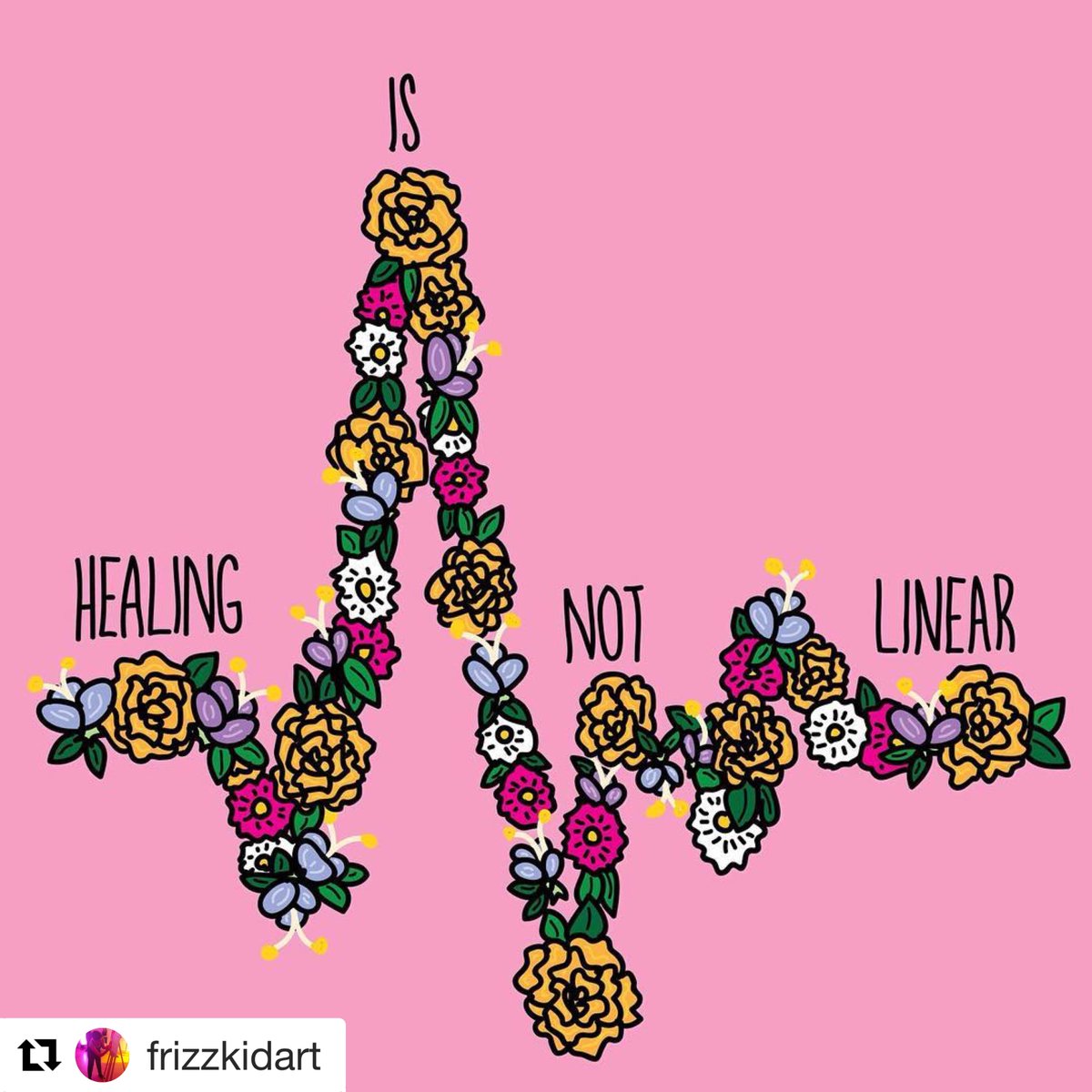
Hello world, I’m writing this blog after having an mental breakdown and ended up crying for an 1 hour straight.

It’s been a minute since I’ve written something personal. But I’ve lost count of the amount of weeks we’ve been in lock-down. So I think it’s fitting to write something!

There’s a lot happening in the world right now! People fighting for basic human rights, the right to live harmoniously in the colour of their own skin and not be victim to systematic oppression like police brutality and judicial injustice. These tensions are heightened by the backdrop of a global pandemic. I have a lot of words I would like to say about the racial injustice’s happening right now! But I will hopefully write another blog post about it!

Activism is a life long commitment but it doesn’t mean you can’t take a break. Finding the balance between being informed and protecting your mental health can be a hard one! These external events can lead to great internal pressures on your mind! But I want to write some positive and encouraging words for everyone during this time. Because God knows we need it.
How to deal with the ‘unfamiliar’ feelings of anxiety and depression

Mental health and self care is really important right now! There’s no two ways of saying it. I often don’t speak about my personal mental health because I considered myself as an ‘all around happy person.’ But is there such a thing as an ‘all round happy person’ ? If there’s one thing the lock-down has taught me, it is that you could be the most mentally healthy person (whatever that means) and still suffer from some kind of mental trauma.

I have previously written about mental health in the Asian community and how it’s often a taboo to talk about with parents and family. I have found this to be largely the problem right now. As I spend time in lock-down with only my family to support me, I am struggling to talk to them about my feelings, anxiety attacks and depressive episodes.
My experience through lock-down can only be described as turbulent. I have been through lots of highs and some lows. But it is the lows which I remember the most ! Then, I suddenly hit a brick wall and don’t know where to turn. It’s difficult to stay with your family for prolonged amount of times after having the ability to constantly go out. Its the confinement of space! You can go a bit crazy! The repetition of my life makes me mindless about what the next day will bring. I build a sense of tolerance within me to keep each day moving as smoothly as possible. But at times it’s difficult to move so crying releases the emotions. I find it difficult to talk about my emotions, but this where it needs to change.

Que motivational speech…….

I’m not going to say “if you do these things, you won’t ever have these feelings again” but the principle of this blog post is to open up the conversation of mental health, speak out and share our experiences. So here’s some points I feel are important to consider…

Take a deep breath………. and move to productive change and try to better yourself. Don’t dwell on the negatives.

Continuously thinking about the problem will make you sad or upset and will not help your mental situation. So put your energy into something worth your time, like blogging, reading or exercising!
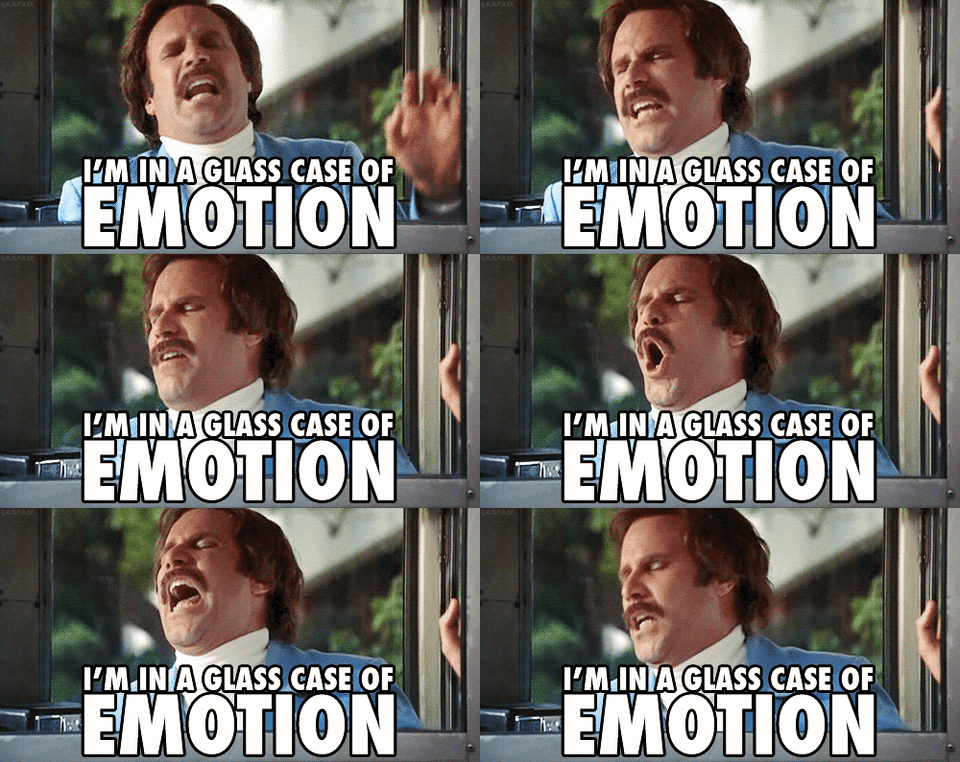
It’s okay to cry! I experience eruptions of emotions. I’m the type of person who keeps thoughts and emotions bottled up which inevitably get released. Don’t be afraid to cry, it will make you stronger. Here’s why it’s important to cry!

Write it down! Make a blog post to share with the world or keep it private with a diary. It works for a lot of people, so go for it! I am a Muslim. So my prayer and religion is my release and therapy, if you like. If speaking to God is a remedy, don’t be afraid to do it or say it.

Don’t ever try to be someone your’re not! This one is quite dear to my heart, because throughout my school life I have always tried to someone I am not and now regret taking the stress I did. Be yourself no matter what! The cliche is killing me!

Control the amount of information you are taking in! The world events seem big and your mind is small to limit your media diet!
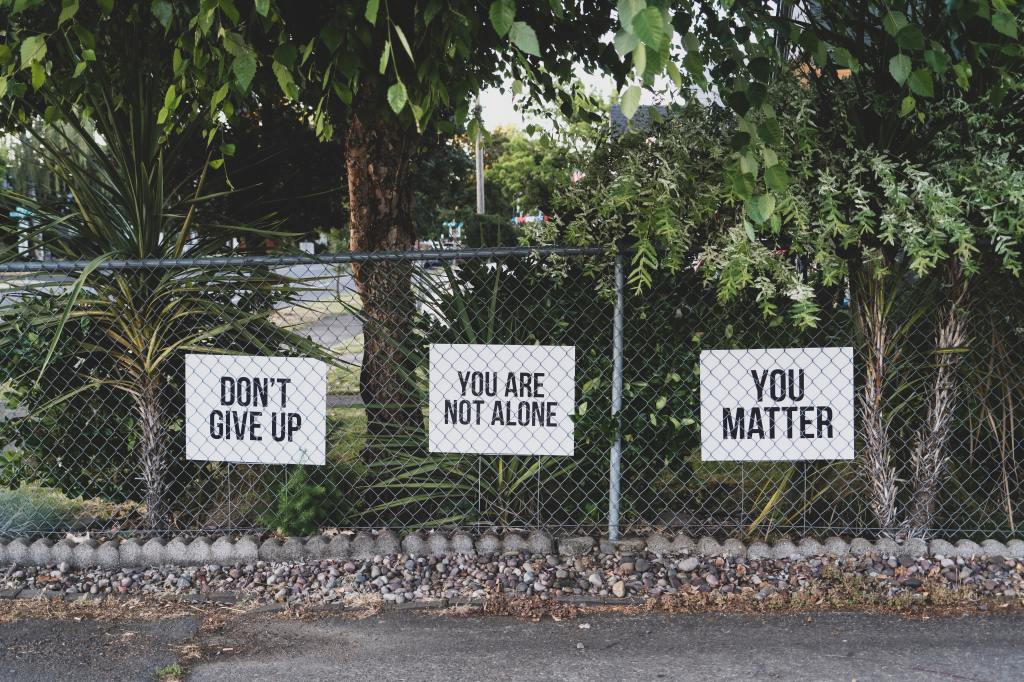
Photo by Dan Meyers on Unsplash

Don’t worry because you’re not alone. Just talk about it however you see fit because saying nothing is the worst.

Activism is a life long commitment and social change is a slow process and will not happen over night.

Lots of love and take care , Anisah xx

Documentaries about the refugee crisis WILL help you understand their struggle.

The life of a refugee is one that can’t be understood unless their realities have been lived first hand. War, mass genocide, political hostility, oppression, religion. These are only some of the reasons why people become refugees. Here are some further reasons why.

Although I will never experience the trauma and hardships, I have found films and documentaries as a good tool to understand. Documentaries and films convey the plight of immigrants and refugees who have fled their countries due to oppressive regimes. Documenting the real life stories of these individuals have bought countless tears to my eyes. The continuing hostility towards immigrants and refugees all around the world makes it’s vital for us to educate ourselves. From having to exile their country, making the journey to their asylum and then experiencing racism and unwelcome behaviour in the country of refugee.

Here are some refugee documentaries I have found useful to watch!

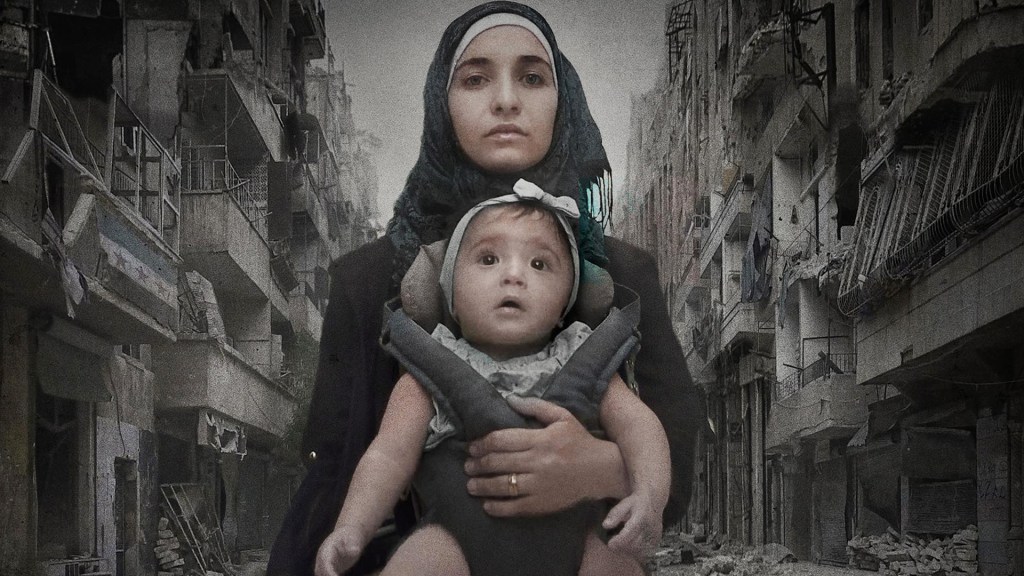
For Sama

For Sama is a film which documents the life of a powerful woman called Waad al-Kateab, through the backdrop of the war torn city of Allepo, Syria. Waad films across five years of her life, as she falls in love, gets married, has a baby, and navigates her family through the constant airstrikes and dying civilians around her. The film focuses on the beginning life of a refugee and the reasons why refugees leave their homes.

One of the significant parts of the film is when Waad al-Kateab revisits her home after it being bombed by airstrikes. She looks at her home in horror. Refugees don’t leave their homes willingly!

For more information about the film and how you can watch. Click here.

Exodus: Our Journey to Europe

This three part documentary follows a groups of refugees on their journeys through Europe in search of a better life. The documentary is partly filmed by the BBC crew and partly by the refugees themselves through their phones. One of the refugees on board this journey was Hassan Akkad, who is now working as a hospital cleaner at Whipps Cross Hospital, London during the corona-virus lockdown.  “Ladies and gentlemen, Exodus: Our Journey to Europe was my yesterday but it is somebody else’s today and tomorrow.  Since we have made this documentary, over 10,000 people have died trying to seek refuge in Europe.”- Hassan Akkad

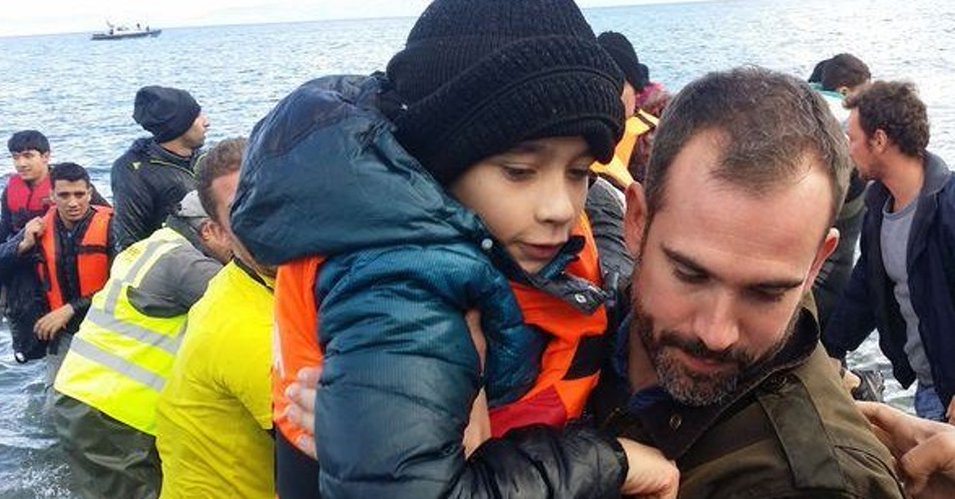
Lifeboat

Travelling by sea is often the only way refugees can migrate through countries safely. But their desperation to escape the oppression they’re fleeing can lead to dire situations and difficult lengths. Lifeboat is about how a group of German volunteers, from a non-profit organisation, rescue migrants from sinking rafts drifting away from Libya on the Mediterranean sea. The jostle to safety but more importantly to live a better life is the only motivation.

For full information about the film and how to watch. Click here.

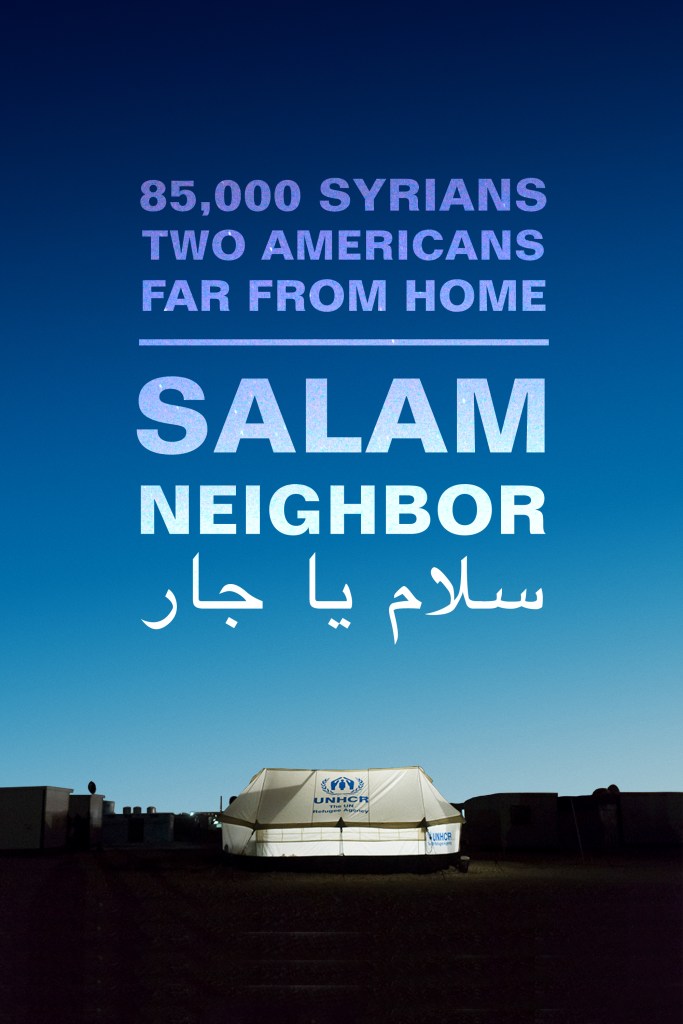
Salam Neighbour

At the Za’atari Camp in Jordan, which is still home to more than 70,000 refugees, two American filmmakers reveal the realities of life in a refugee camp. The film gives us a closer understanding of what life is like in an refugee camp. The film aims to defy the stereotypes of refugees by giving a glimpse into the hopes and dreams of many Syrian refugees living in the camp.

For full information about the film and how to watch the film. Click here.

Frontline Doctors: A Winter Migrant Crisis

Doctors, aid workers and identical twin brothers, Dr Chris and Xand van Tulleken, travel through Europe to witness the conditions of refugees for themselves. Both brothers experience the two sides of the voyage migrants take to seek asylum. The claustrophobic shanty town settlements of the Calais ‘jungle’ to the clamour to safety on small dinghies and lifeboats. This documentary gives a medical perspective to the refugee crisis.

Human Flow

A documentary film which is grounded in human stories from Afghanistan, France, Greece, Germany and Iraq during the height of the refugee crisis. Filmmaker Ai Weiwei explores the refugee crisis on human terms through taking the viewer under the surface of the human impact in mass displacement.

For more information about Human Flow. Click here.

Home

Imagine having to leave your home right now. No choices. No questions. The fear of being persecuted or the sound of bombs dropped onto your home force you to make unknown journey. This is exactly what filmmaker Daniel Mulloy has shown in the short film Home. The film captures the experiences of modern day refugees but in reverse. A British family have to leave their home under seemingly ordinary circumstances but soon find themselves living as refugees.

It reminded me of the 2016 Save the Children advert on television.

Here is the trailer for the short film.

Although Refugee Day 2020 has passed, the refugee crisis remains an issue and should not be limited to a day of remembrance. As we know find ourselves in a global crisis of Covid-19 it could be these refugees who are the key workers helping us through this difficult time.

It’s important to remember their plight still remains and there are a number of ways you can help. Here are some organisations:

Covid stories: Living as a Muslim revert during Ramadan in lock-down

In Islam, we call ‘converts’ ‘reverts’ as we believe every person is born a Muslim. This is known as fitra.

As a Muslim, I have found this Ramadan to be a challenge but a rewarding experience. Eating food and spending time with my family. But this privilege is not for everyone. Ramadan is a difficult time for Muslim reverts. I spoke to a recently converted Muslim women about her experiences.

As we remain in lockdown, Ramadan can be a challenging time for Muslim converts who are estranged from family or lack support in their decision to revert.

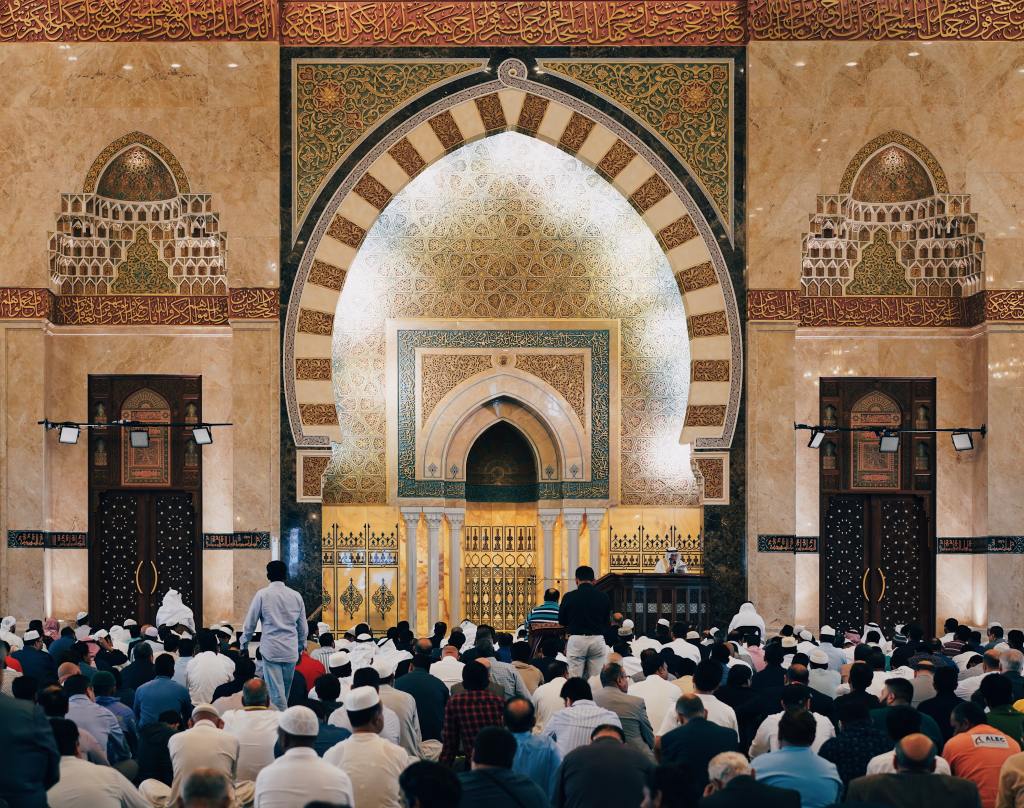
Muslims praying inside the mosque (Photo credit: Unsplash)

Ramadan is the ninth month in the Islamic calendar where Muslims around the world fast from sunrise to sunset. The month is dedicated to prayer, reflection, charity, and community. But as mosque’s are shut, finding support during this month is hard.

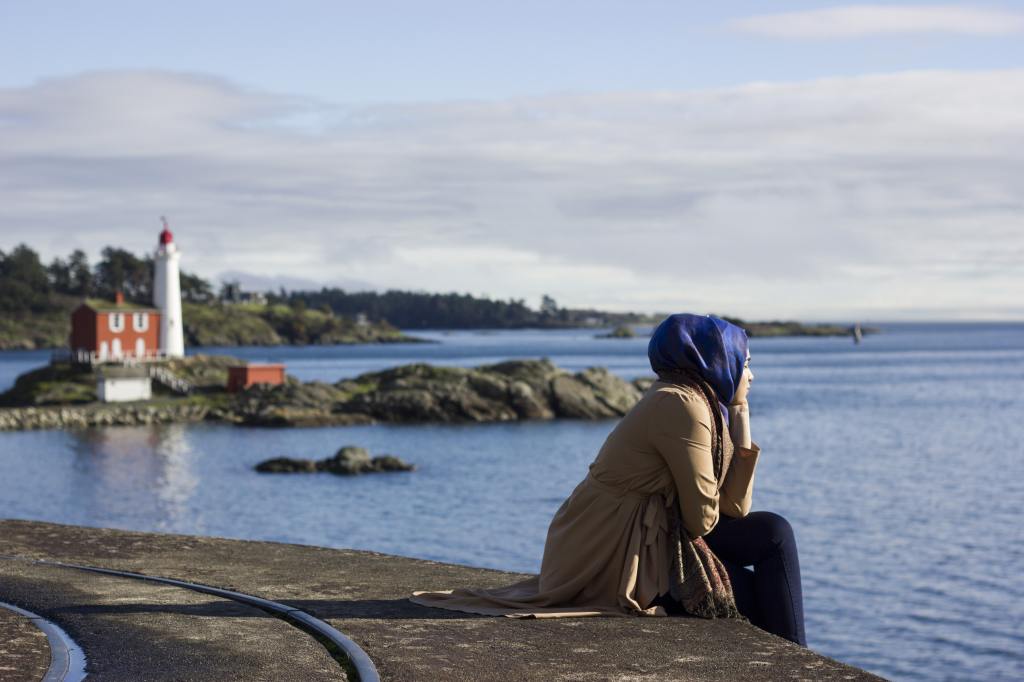
Newly converted Muslim Fatima [not her real name] from Walsall, talked about her experiences and expectations during Ramadan. The 26-year-old is a trainee solicitor and comes from a Hindu Punjabi family.

Woman sitting beside the beach (Photo credit: Photo by Ifrah Akhter on Unsplash)

She lives at home with her family who were initially in “denial”. However, through her fasting “made them realise how important Islam [was]”.

She expressed her feelings of “failure” before Ramadan:

“I think I really worked myself up before Ramadan and was so scared of failure, but it’s easier than I expected

“I was also worried about fasting whilst working and having to explain things to people at work was quite worrying for me

She talked about her experiences practicing her religion in lockdown with her Hindu family.

Fatima said, “being at home during lockdown has been challenging”.

“Although they do not always speak to me, I have been able to tell my parents I am fasting and practice as I wish, albeit in private”

It can be difficult finding support mechanisms especially as mosques and support centres have been closed due to the outbreak.

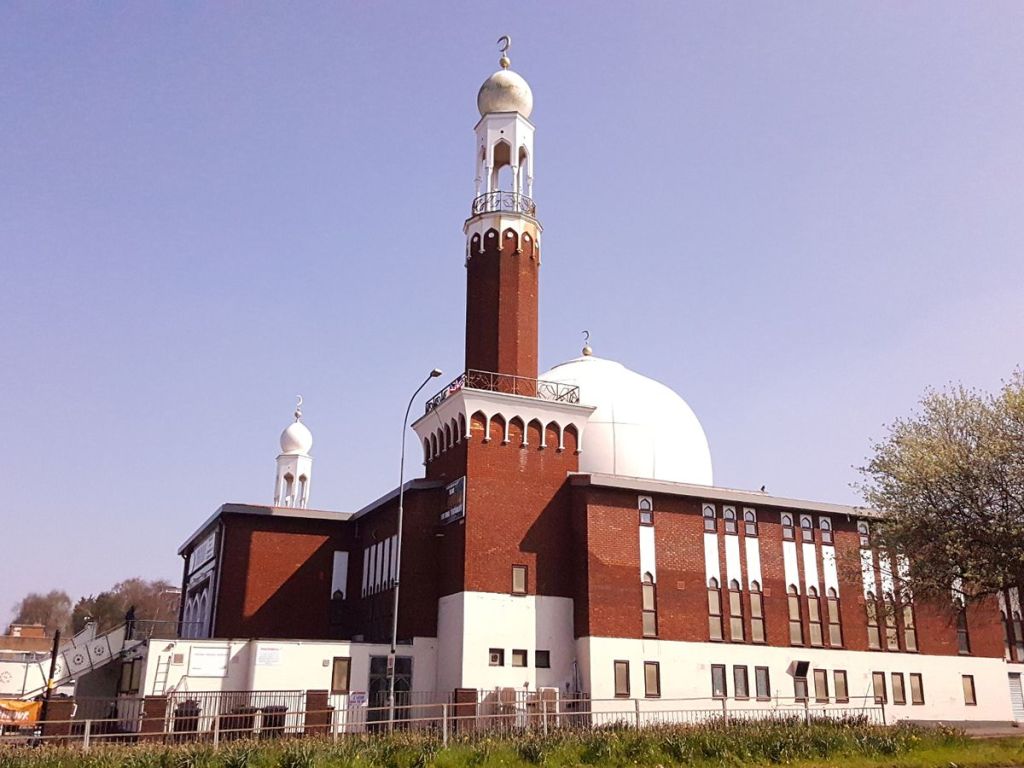
Birmingham Central Mosque (Photo Credit: Birmingham Central Mosque)

Nevertheless, Fatima was “fortunate enough to be introduced to a few revert sisters in the local area”.

Prior to the outbreak, she was able “to have a monthly meet up with converts at the mosque where [she] can get to know other Muslim reverts and share their experiences”.

Many mosques around the UK have been making their services accessible online like As Saffa’s online social for new Muslims. 

Fatima is regularly active on “WhatsApp groups where they always post information, videos and courses” for reverts.

Reverts will be facing challenges of mental health and disconnect throughout the lock-down, not just during the month of Ramadan.

So, let us think about the different people experiencing their own challenges during this lockdown. Because we are all in this together.  

‘We are vulnerable not invincible’: The human stories behind the global pandemic

Britain has now entered its second phase of a three-week lockdown due to the coronavirus.

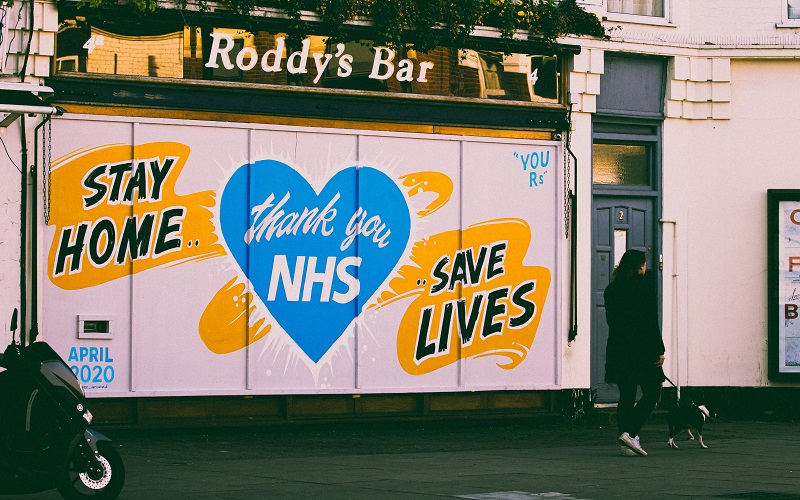
Across the UK, floods of support has been shown towards NHS workers and care workers and their efforts to save lives on the frontlines of the coronavirus outbreak.

#ClapforNHS has widely become a phenomenon where people across Britain clap in solidarity for all the NHS workers and carers during this difficult time at 8pm GMT every Thursday.

A story from the hospital bed

Elizabeth Payne from Walsall has experienced first-hand the impact of the NHS. She recovered from Covid-19 after being rushed to the hospital with a “continuing fever”.

This image has an empty alt attribute; its file name is liz-new-1.jpg
Elizabeth enjoying her garden

Elizabeth is a Principal Pharmacist Medicines Safety Officer working at the Walsall Manor Hospital.

She told Birmingham Eastside she had “still not recovered from a previous viral infection” when rushed to the hospital.

The experience of having Covid-19

“The nurse told me I had tested positive for the virus and my heart sank because I knew how serious it could be.”

“We have to limit our movements to that bay’ and at one point ‘there were 6 patients to one commode.”

Elizabeth said she shared a ward with a married couple who were separated by virus, but who sadly never saw each other again.

“I was opposite a lady who had the virus and was in hospital for two weeks. Then two days after she was admitted her husband was also tested positive for the virus and he died a week after, and she wasn’t able to see her husband.”

Thoughts on a post-coronavirus world

This image has an empty alt attribute; its file name is liz-and-ian-final-1.jpg
Elizabeth and her husband Ian Payne

Elizabeth had a warning and a message of hope for others who contract Covid-19:

“Anyone who has had this, coming out the other side it’s going to take quite a bit of time for them to recover from it.”

“It will hopefully make people think your health is the most important thing you have’ and ‘we are vulnerable and not invincible

“One positive that come out of this, we carry on looking out for each other because in day to day life you become so absorbed in life.

A doctor on the frontline

This image has an empty alt attribute; its file name is dr-riaz-new-2.jpg
Dr Riaz Khan, General Practitioner

However, the pressures that NHS staff are under cannot be overlooked.

According to Nursing Notes, as of 9am GMT today, 111 health and social care workers were believed to have died of Covid-19.

Dr Riaz Khan is a frontline GP working at the A&E in Walsall Manor Hospital

“At one point the A&E department had 22 patients admitted into the hospital and unfortunately none of them survived.”

He also has strong views on how the NHS regroups once it can get a handle on effective treatments for Covid-19.

“We have to pay more attention in preparing for such calamities. In the future of the NHS, new ways of working will need to be identified and applied such as artificial intelligence and remote consultations’.

Government guidance

The NHS recently released a Youtube video guiding patients on how they can contact their GP or nurse remotely to avoid face-to-face contact.

The video currently stands at more than 2 million views.

As the fight against the virus continues on the frontline and within our homes, people like Elizabeth Payne have proven the coronavirus can be beaten.

You can find more information and government advice here

Why is mental health hard to talk about in the Asian community?

Mental health within the Black, Asian and Ethnic Minority communities is a broad issue with many facets.

According to research conducted by the House of Commons library research service in January 2020, those identifying as Asian or British Asian are 14% less likely to be in contact with mental health and learning disability services. This demonstrates the disparity within services that are aimed at Asian or people of colour, as well as the Black, Asian and ethnic minority communities.

The topic of mental health within the south Asian community can be blurred and, in some cases, a non-existent space, where sufferers can struggle to come to terms with their emotions and mental state.

 The organisation Acacia, a Birmingham based perinatal support group help women from the south Asian community. Perinatal mental health is women’s mental health during pregnancy and after the birthing experience.


Puja Chandegra is the BAME (Black, Asian and minority ethnic) perinatal mental health project coordinator at Acacia, a pre and postnatal depression support service. She joined Acacia family support in 2017, later leading a project into mental health within the BAME community but focusing on perinatal women.


Puja Chandegra  (Photo Credit: Acacia Website)

Puja feels South Asian communities want to talk but they have never had the platform to talk.

“It’s important to create spaces within our communities, like temples, mosques, where people can talk about mental health.”

Puja began her journey working in adoption, where she was able to ‘get in touch with Acacia and raise awareness with mental health in the BAME community’. She arranges visits to ‘established south Asian community groups in Birmingham and works with the community leaders to do interactive workshops around perinatal mental health’. Through these workshops it gives women ‘an opportunity to open up about their experiences.’


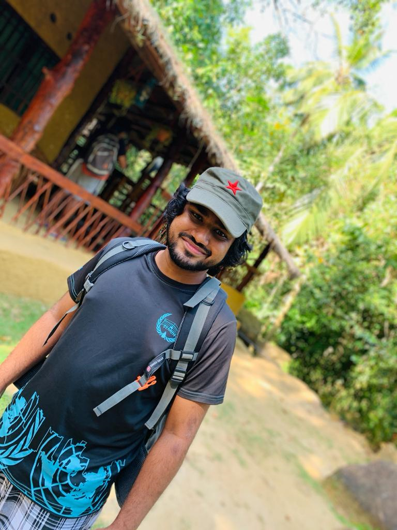
Feron Jayawardene is a 21-year-old Sri Lankan born, international student studying English and Journalism at Birmingham City University. He talks about how he deals with his mental health struggles while moving into a different culture.


Feron Jayawardene (Photo Credit: Feron Jawardene)

Feron said ‘after coming to study here it was the opposite of the comfortable environment I lived in Sri Lanka’. He found the thought of going back to UK was scary and was giving him anxiety and depression’. It made him feel scared, alienated and self-conscious to then struggling ‘to make friends within the university’. However, being ‘connected with other international students, as they’re going through the same situation made the situation better’.  

“BAME communities are largely collectivist and [problems] will affect the wider circle, like extended family, friends and community members” Puja said.  

There is a predominant cultural characteristic of collectivism in the Asian countries such as India, Pakistan, Bangladesh as well as Korea, China and Japan. This means families and communities play essential roles and working as a group, putting the communities needs before individual needs is integral in the lifestyle. Therefore, coming to terms with individual emotions can prove difficult in the Asian community.”

Feron explained that he wouldn’t tell his family or anyone as he “didn’t want them to stress and affect the wider family if disclosed.”

“In the Asian community and culture, there is a sense of tradition and stereotyping, where men are the breadwinners and their emotions to be strong.”

Feron’s lack of willingness to speak up about his mental health issues was also culturally motivated.

He has changed his lifestyle by living in the moment and not giving up on the chance to be with his friends and just have a good time’.

“One of the main concerns in the south Asian women community is the idea of their kids being removed by the authorities due to their mental health issues, but it’s our role to be the navigators in the community,” Puja said.

The amount of Asian or British Asian patient referrals to the Improved Access to Psychological Therapies, a government funded initiative, was 77,697 compared to 1,198,827 patients with those who identify as white.

Puja explained schemes like IAPT ( Improved Access to Psychological Therapy) are ‘great funded projects’: however, ‘it’s necessary to rely solely on the government as we specialists have the skills to equip our communities with mental health needs and issues’ said Puja.  

“There needs to be more mainstream services targeted at BAME communities funded by the government within the UK.”

To find out more about the Acacia Family Support projects into mental health visit: https://www.acacia.org.uk/

Anisah Vasta Reports

Powerful stories from grieving families at Victim Summit 2020

Amidst a digital era of victimisation on social media platforms and technology related abuse, The West Midlands Police Crime Commission bring issues like online sexual harm and ‘anti-social media’ to the limelight.

Victim Organisations and grieving families gather together at the Victim Summit 2020

The story of a daughter lost to anti social media

Speaking at the summit in the Aston Villa FC, Ian Russell, whose daughter, Molly Rose Russell, took her own life after viewing self-harm and suicide content on a social media platform, said:

He said,

“There were no obvious signs of illness or anguish”.

However, he found:

“Her social media accounts, there was anti-social media content of harrowing suicide media content”.

Ian Russell criticised the inaction of some social media platforms to remove harmful content saying:

“As long as those posts are still there it will continue to affect people like Molly”

“Its time for law enforcement agencies to get better access to social media for investigation”

Ian Russell, founder of Molly Rose Foundation, speaks to Birmingham Eastside

Following the details of Molly’s death being revealed in November 2017, Instagram announced it banned graphic self-harming content in February 2019.

The assistant West Midlands Police Crime Commissioner, Waheed Saleem lead a line of speakers including Victims’ Commissioner for England and Wales Dame Vera Baird, Elizabeth Yardley Professor of Criminology at Birmingham City University, Angela Apparicio who works at Victim Support and Natalie Thompson, the CEO of CRASAC.

As well as Martha Kirby Policy Manager for Child Safety Online for NSPCC, Emma Pickering who works for Violence against Women and Girls and Ian Russell who established The Molly Rose Foundation.

The WCC invited victim organisations like Victim Support, The Bully Effect and CRASAC (Coventry Rape and Sexual Abuse Centre) to open up about crimes such as cyber-bullying, stalking and online sexual abuse at the Victim Summit 2020.

The assistant PCC Waheed Saleem said:

“I will be launching an review into the vulnerable victims on the 4th March, where we will look at how the West Midlands Police is responding to domestic abuse, sexual violence and stalking,”

He hopes the review will provide “a better, consistent approach to the victims journey.”

Anisah Vasta Reports

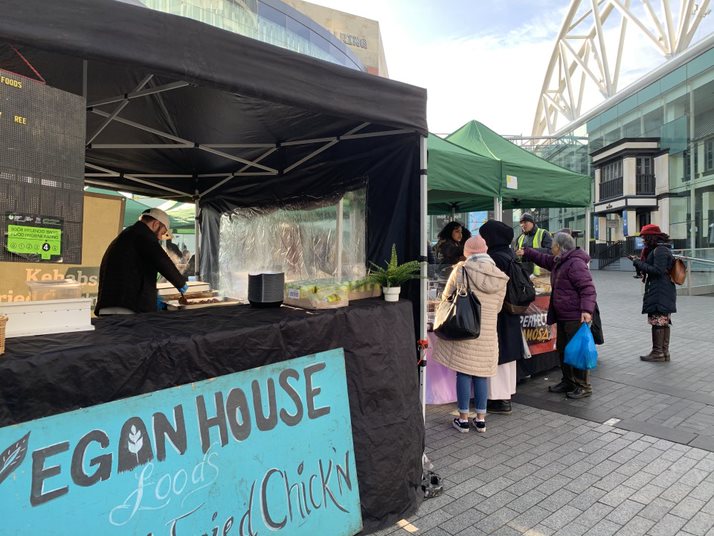
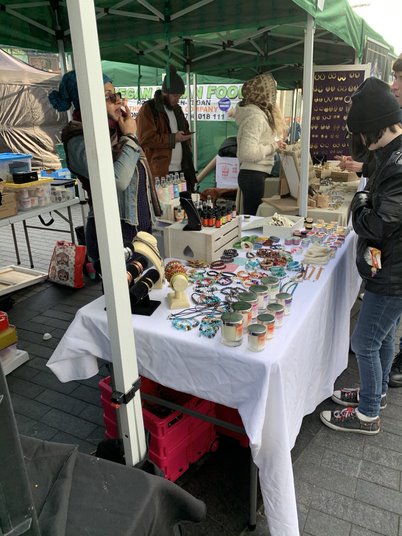
Vegan Markets UK hits Birmingham

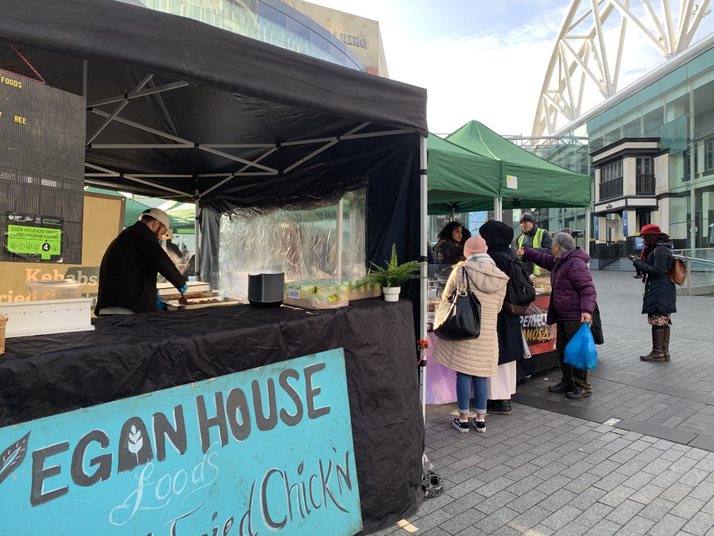
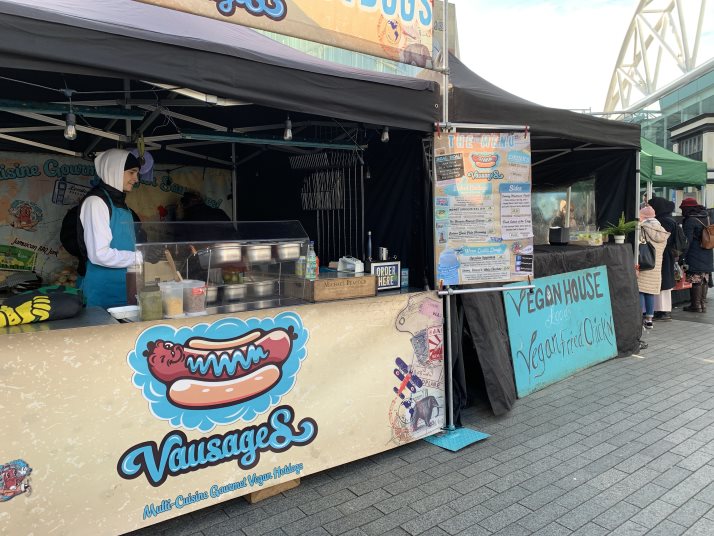
Veganuary may be over, but small businesses like Vausages, Perfect Samosa, Yau’s, Vegan House Foods, GZ Delights and Bamboo Street Food have still came together to showcase their vegan food at the Vegan Market UK in Rotunda Square, Birmingham on 7th February. The vegan market took place between 10 am and 5 pm.

The Vegan Market UK started in Cambridge in 2016 and went onto appear in towns and cities such as Chester, Derby, Hitchin, Leeds, Northampton, Nottingham, Oxford, Sheffield and many more locations. The Vegan Markets UK was founded by Lewis Beresford in Cambridge.

After proving very popular amongst people around the country, Vegan Market UK comes to Birmingham to show Brummies a variety of vegan food from vegan hot dogs to vegan samosas. As well as supporting small vegan businesses.

The events manager, Ian Prenrose said “the good thing about buying from a vegan markets is you’re supporting small traders who are dedicated to their veganism, so every pound you give is not going into a large cooperation that are investing in live animal exports”.

Vegan couple, Zerline Long and Reiss Seymour, who run Vausages, a vegan hot dog company which make their sausages out of quinoa. There are variety of options such as the traditional spin on British Cumberland, the Jamaican BBQ Jerk, Spicy Mexican Chorizo or the Indian Chennai Curry. Zerline talked about their journey creating their vegan hot dog company, “it was difficult as we were doing it off our own intuition and we both had backgrounds in hospitality, so that helped a lot”.

Another vegan company present at the Vegan Market UK Birmingham event, was Perfect Samosa. Kay and Sanya Wadud showcase an alternate take on samosa through ingredients like butter beans and pumpkin. The mother-daughter duo felt their business venture is “very much about women empowerment” as they are “not restricted by rules and regulations”.

Many small businesses at the market began their companies with gluten free and progressed to developing into a vegan brand, like GZ Delights. Golnaz Pourkashani, owner of GZ Delights, “started [her] business as a gluten free company” and “wanted to develop healthier alternative vegan baked goods”.

Philip Yau, co-owner of vegan Chinese sauce company, Yau’s, shared his approach to vegan food.
He said “how can we get the same result but take a different pathway’ as well as ‘tick all the boxes’ like Vegan and Gluten Free. Philip Yau co-owns his company with his wife Bonnie Yau.

The Vegan Market UK will move on to do markets across the country, from Hitchin on February 15 and Leeds on February 16.

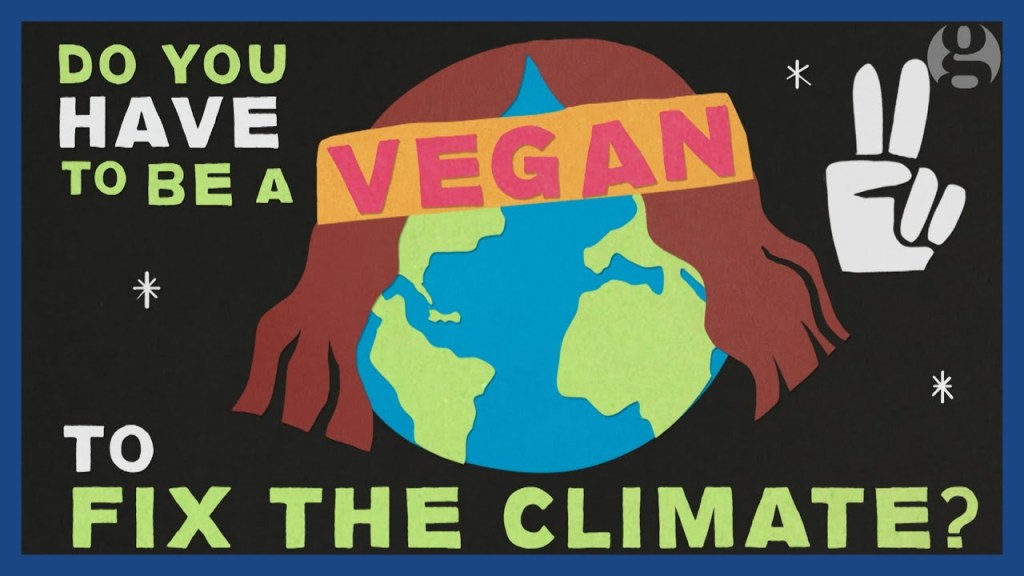
It can be said the interest in veganism has escalated due to large corporations like Greggs and KFC introducing vegan options within their menus. However, speaking to many small vegan businesses through the market, I was able to understand the growing interest in vegan food and the reason for their passion in the industry. As we meet ourselves in an ever-expanding climate crisis, we see ourselves exploring alternate avenues of consuming food in our everyday life which are healthier, environmentally friendly and most importantly tasty!

Report by Anisah Vasta

Design a site like this with WordPress.com
Get started