Mental health within the Black, Asian and Ethnic Minority communities is a broad issue with many facets.
According to research conducted by the House of Commons library research service in January 2020, those identifying as Asian or British Asian are 14% less likely to be in contact with mental health and learning disability services. This demonstrates the disparity within services that are aimed at Asian or people of colour, as well as the Black, Asian and ethnic minority communities.
The topic of mental health within the south Asian community can be blurred and, in some cases, a non-existent space, where sufferers can struggle to come to terms with their emotions and mental state.
The organisation Acacia, a Birmingham based perinatal support group help women from the south Asian community. Perinatal mental health is women’s mental health during pregnancy and after the birthing experience.
Puja Chandegra is the BAME (Black, Asian and minority ethnic) perinatal mental health project coordinator at Acacia, a pre and postnatal depression support service. She joined Acacia family support in 2017, later leading a project into mental health within the BAME community but focusing on perinatal women.
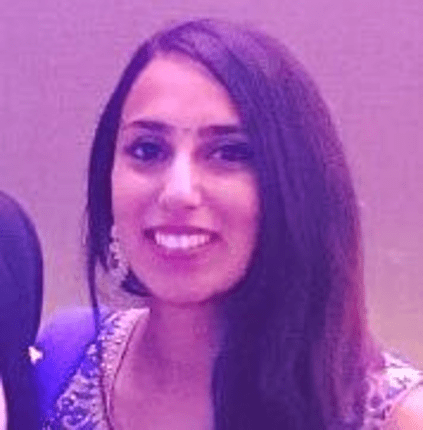
Puja Chandegra (Photo Credit: Acacia Website)
Puja feels South Asian communities want to talk but they have never had the platform to talk.
“It’s important to create spaces within our communities, like temples, mosques, where people can talk about mental health.”
Puja began her journey working in adoption, where she was able to ‘get in touch with Acacia and raise awareness with mental health in the BAME community’. She arranges visits to ‘established south Asian community groups in Birmingham and works with the community leaders to do interactive workshops around perinatal mental health’. Through these workshops it gives women ‘an opportunity to open up about their experiences.’
Feron Jayawardene is a 21-year-old Sri Lankan born, international student studying English and Journalism at Birmingham City University. He talks about how he deals with his mental health struggles while moving into a different culture.
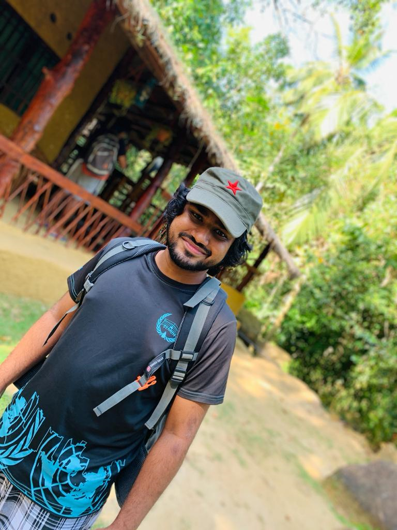
Feron Jayawardene (Photo Credit: Feron Jawardene)
Feron said ‘after coming to study here it was the opposite of the comfortable environment I lived in Sri Lanka’. He found the thought of going back to UK was scary and was giving him anxiety and depression’. It made him feel scared, alienated and self-conscious to then struggling ‘to make friends within the university’. However, being ‘connected with other international students, as they’re going through the same situation made the situation better’.
“BAME communities are largely collectivist and [problems] will affect the wider circle, like extended family, friends and community members” Puja said.
“There is a predominant cultural characteristic of collectivism in the Asian countries such as India, Pakistan, Bangladesh as well as Korea, China and Japan. This means families and communities play essential roles and working as a group, putting the communities needs before individual needs is integral in the lifestyle. Therefore, coming to terms with individual emotions can prove difficult in the Asian community.”
Feron explained that he wouldn’t tell his family or anyone as he “didn’t want them to stress and affect the wider family if disclosed.”
“In the Asian community and culture, there is a sense of tradition and stereotyping, where men are the breadwinners and their emotions to be strong.”
Feron’s lack of willingness to speak up about his mental health issues was also culturally motivated.
He has changed his lifestyle by living in the moment and not giving up on the chance to be with his friends and just have a good time’.
“One of the main concerns in the south Asian women community is the idea of their kids being removed by the authorities due to their mental health issues, but it’s our role to be the navigators in the community,” Puja said.
The amount of Asian or British Asian patient referrals to the Improved Access to Psychological Therapies, a government funded initiative, was 77,697 compared to 1,198,827 patients with those who identify as white.
Puja explained schemes like IAPT ( Improved Access to Psychological Therapy) are ‘great funded projects’: however, ‘it’s necessary to rely solely on the government as we specialists have the skills to equip our communities with mental health needs and issues’ said Puja.
“There needs to be more mainstream services targeted at BAME communities funded by the government within the UK.”
To find out more about the Acacia Family Support projects into mental health visit: https://www.acacia.org.uk/
Anisah Vasta Reports
 anisah journalist